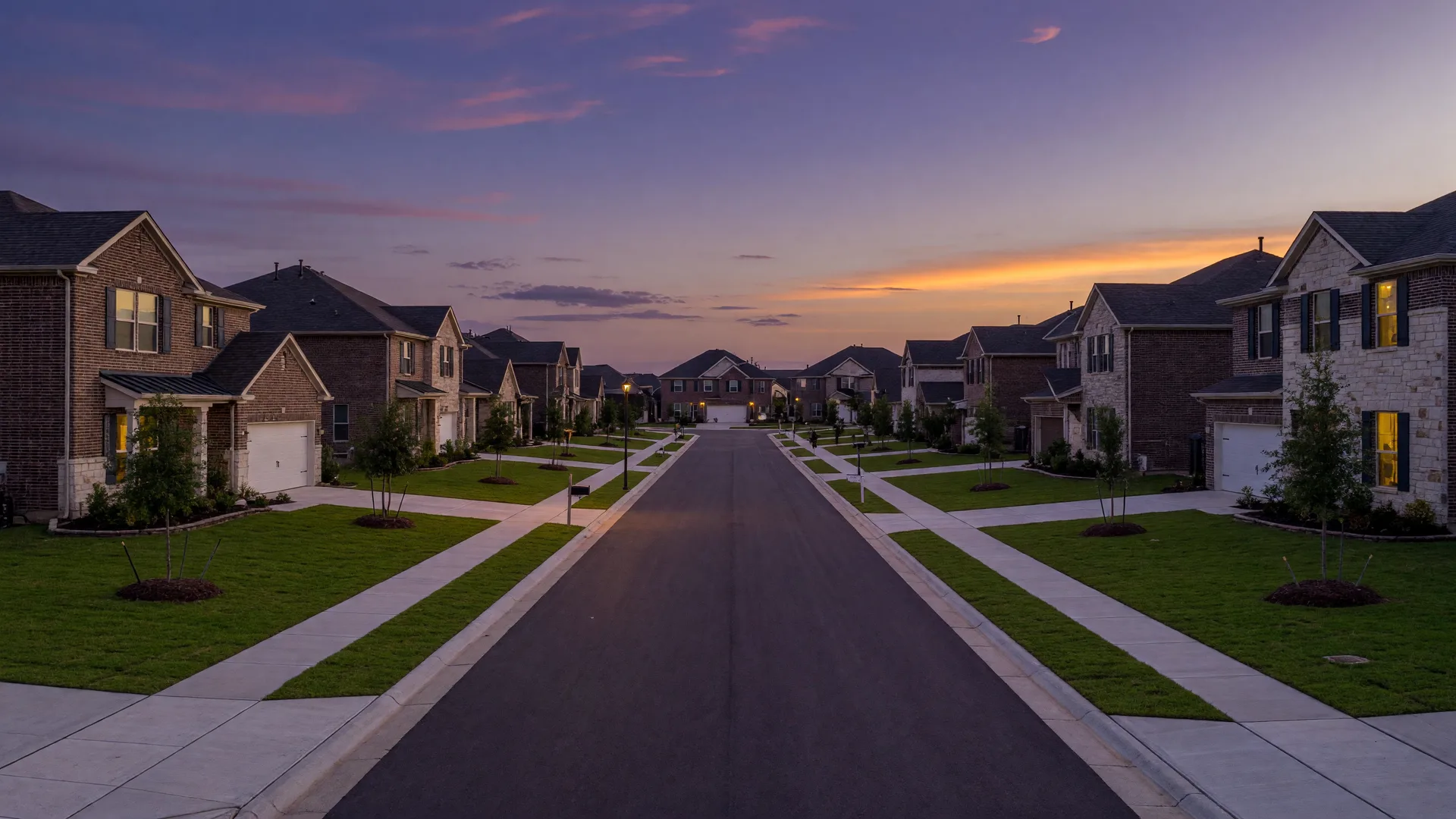
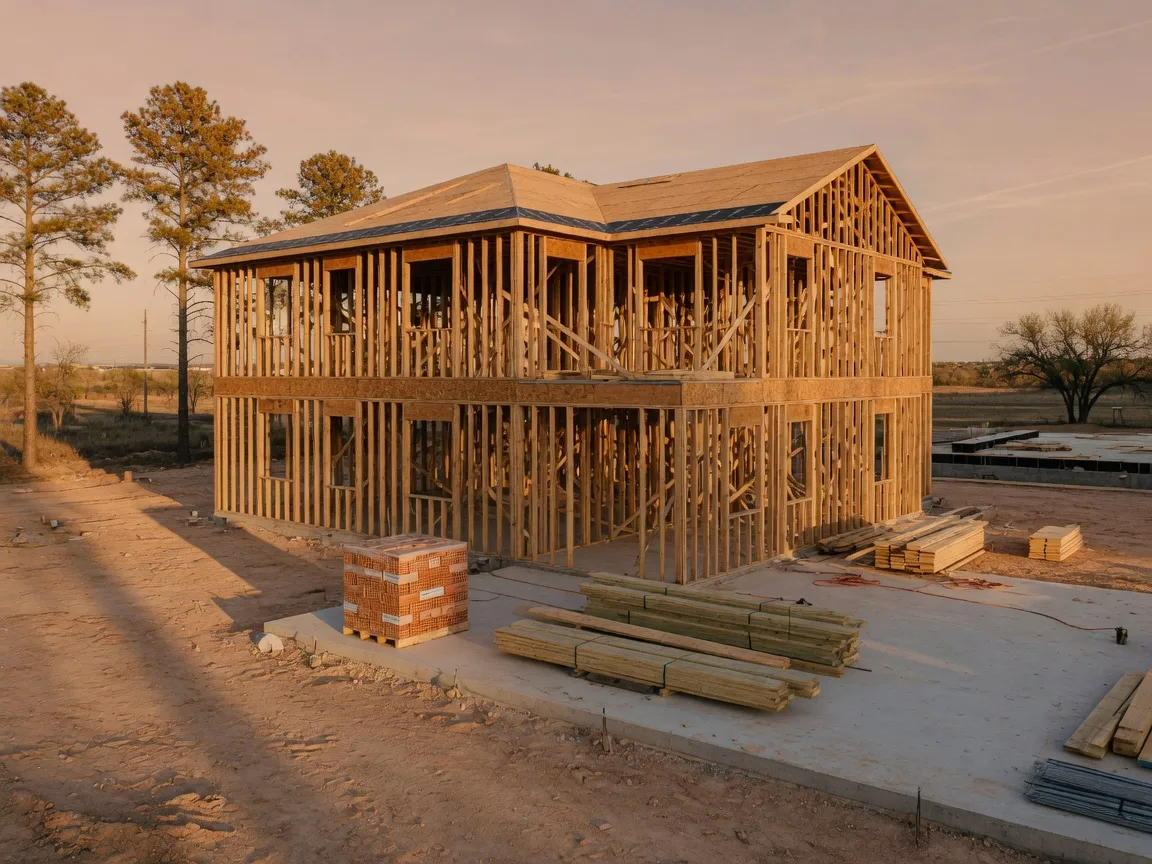
New construction vs. resale
New build or existing home?
The at-a-glance comparison.
For a relocating buyer the first decision is structural: build new or buy an
existing home. Neither is automatically better. In North Texas the honest comparison
runs through five topics. Here is the process-level version, with the deep dives in
the guide.
Where they differ New construction Resale / existing home
New build The 2026 DFW market is rich with builder incentives: $15,000 to $40,000 stacks built from 2-1 rate buydowns, closing-cost assistance, and design center credits. The catch: the full stack usually requires the builder’s preferred lender.
Resale No incentive stack exists, so the room to negotiate is different: price, terms, and seller concessions. What the home gives up is predictable, which is exactly its appeal.
New build Covered by the builder’s written limited express warranty from day one, commonly a 1-2-10 style: one year on workmanship, two on major systems, ten on major structural components. Get it in writing before you sign.
Resale Sold as-is with no builder warranty. You buy the condition you inspect, which is why the option period and the third-party inspection carry so much weight on resale.
New build You control the plan: the finishes, the phases, and a closing date tied to construction. The tradeoff is the builder’s schedule, so read the delay and completion-date clauses before the deposit moves.
Resale You move in when you close. No construction waits, but you compete with other buyers, and the closing date is the seller’s to negotiate.
New build Texas appraises property as of January 1. Under construction that day? You pay tax on the percentage complete. Finished that day? Full value hits the roll immediately. Budget for the first full-value year.
Resale Assessed on years of established appraisal history. The homestead cap only starts protecting once the new owner files, so a seller’s cap does not transfer to you.
New build Many new North Texas communities sit in MUD or PID districts that financed their own water, sewer, and roads, adding a property tax (MUD) or a fixed monthly assessment (PID) on top of the base rate. Both are disclosed, and both change your monthly number.
Resale Established neighborhoods are usually outside the newest special districts, so the tax structure is more settled. You trade that simplicity for a home that is already years old, with its own maintenance history.